

A dark room can feel cozy, but it may also seem smaller, colder, or less inviting than you would like. Fortunately, you do not need a major renovation to make it feel brighter. A few thoughtful updates can reflect more light, improve the room’s layout, and create a warmer atmosphere.
Try one idea at a time, or combine several for a noticeable change. The best approach depends on the room’s natural light, size, colors, and purpose.
Start With Better Lighting
The fastest way to brighten a dark room is to improve its lighting plan. A single ceiling fixture often leaves corners and walls in shadow. Instead, use several light sources at different heights.
Layer your lighting
Aim for three basic types of lighting:
– General lighting: A ceiling fixture or flush-mount light that illuminates most of the room
– Task lighting: A desk lamp, reading lamp, or under-cabinet light for focused activities
– Accent lighting: Wall lights, picture lights, or small lamps that highlight decor and add warmth
Place lamps in darker corners, beside seating, or on shelves. Spreading light around the room helps it feel more balanced than using one bright fixture in the center.
Choose warm, bright bulbs
Light bulb color affects how a room feels. Soft white bulbs create a comfortable, welcoming look, while daylight bulbs provide a crisp, energetic effect. For living rooms and bedrooms, warm or soft white bulbs are often a good choice. For work areas, a brighter neutral white may help the space feel more alert.
Check the brightness rating before buying bulbs. A brighter bulb is not always better if it creates glare, so select a level that suits the fixture and room size.
Use Mirrors to Reflect Light
Mirrors can make a dark room look larger and help spread light across the space. Place one opposite a window to reflect daylight, or position it near a lamp to bounce light around the room.
A large wall mirror can make the biggest visual difference, but several smaller mirrors can also work well. Consider these options:
– A tall mirror near an entryway
– A round mirror above a console table
– Mirrored cabinet doors
– A group of small mirrors arranged as wall art
Keep the reflected view in mind. A mirror is most useful when it reflects a window, light fixture, bright wall, or attractive part of the room.
Lighten the Wall Colors
Dark paint absorbs light, while lighter colors reflect it. You do not have to choose plain white. Soft cream, pale gray, warm beige, light blue, and muted green can all brighten a room without making it feel stark.
If repainting every wall is not practical, try a smaller project:
– Paint one dark accent wall a lighter color
– Refresh the trim and ceiling with clean white paint
– Use removable wallpaper with a light pattern
– Paint a dark built-in shelf or cabinet a softer shade
A lighter ceiling can also make the room feel taller. Even a subtle change can help reflect overhead light.
Keep Window Treatments Simple
Heavy curtains can block both sunlight and visual space. Replace thick, dark panels with lightweight curtains in linen, cotton, or another loosely woven fabric. Sheer curtains are especially helpful because they soften glare while still allowing daylight to enter.
Mount curtain rods slightly above the window frame and extend them beyond the sides. This makes the window appear larger and allows the curtains to sit outside the glass when open.
For privacy, combine a sheer layer with a simple roller shade or light-filtering blind. This gives you control without making the room feel closed in.
Add Light-Colored Textiles
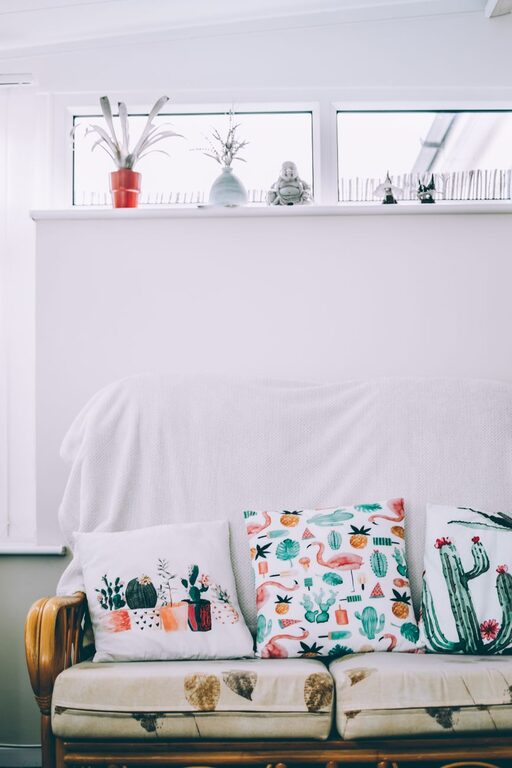
Textiles cover a large amount of visual space, so changing them can have a strong effect. A light rug, pale bedding, or neutral sofa cover can brighten the room without requiring structural changes.
Try adding:
– A cream or light gray area rug
– Cushions in soft, reflective colors
– A pale throw blanket
– Light bedding with a simple pattern
– Fabric chairs in beige, ivory, or muted pastels
If you prefer bold colors, use them in small accents rather than covering the largest surfaces. A few colorful pillows or accessories can add personality while keeping the overall room bright.
Reduce Visual Clutter
A crowded room often feels darker because furniture and objects interrupt the flow of light. Removing a few unnecessary items can make the space feel more open immediately.
Begin by clearing surfaces such as coffee tables, shelves, and window ledges. Then look at the furniture arrangement. Make sure large pieces are not blocking windows or creating narrow pathways.
Useful changes include:
– Moving tall furniture away from windows
– Removing a bulky chair that is rarely used
– Choosing open shelves instead of solid cabinets
– Leaving some space between furniture and walls
– Grouping small decorations into simple arrangements
You do not need to remove everything. The goal is to create breathing room and allow light to travel more easily across the room.
Choose Furniture With Lighter Finishes
Dark wood and heavy upholstery can make a room feel visually dense. If replacing furniture is not an option, balance it with lighter accessories and open designs.
When shopping for new pieces, consider furniture with:
– Pale wood finishes
– Glass or acrylic surfaces
– Slim legs
– Open shelving
– Light fabric upholstery
– Simple, streamlined shapes
A glass coffee table, for example, can provide useful surface space without visually blocking the floor. Furniture with exposed legs also reveals more flooring, which can make the room feel more spacious.
Add Reflective and Glossy Details
Small reflective surfaces can help distribute light. They also add interest without overwhelming the room.
Consider using:
– Glass vases
– Ceramic lamps
– Metallic picture frames
– Glossy planters
– Satin-finish cushions
– Polished trays
– Light-colored decorative objects
Use these finishes selectively. Too many shiny surfaces can create glare or make the room feel busy. A few carefully placed pieces are usually enough.
Bring in Greenery Carefully
Plants can make a dark room feel fresher and more welcoming. If the room receives little natural light, choose varieties that tolerate lower-light conditions, and place them near the brightest available area.
Light-colored pots can contribute to the brighter look. White, cream, pale green, and natural terracotta all work well. If live plants are not practical, high-quality artificial greenery can add a similar visual effect.
Avoid placing large plants directly in front of windows. Use the window area to maximize daylight, and place greenery beside it instead.
Make the Floor Work Harder
The floor is one of the largest surfaces in a room, so its color and finish matter. A light rug can transform a dark floor, especially when placed beneath the main furniture.
Choose a rug with a low-contrast pattern if you want the room to feel calm and open. Stripes or subtle geometric designs can also make the space appear longer or wider, depending on their direction.
Keep the floor as visible as possible. Too many small rugs or storage baskets can make the room feel crowded.
Finish With Bright, Personal Details
Once the larger changes are in place, add a few cheerful accents. Artwork with light backgrounds, pale frames, and colorful but balanced prints can draw attention to the walls without making them feel heavy.
Other easy finishing touches include:
– A light-colored lampshade
– Fresh flowers in a clear vase
– A bright bowl on a table
– Pale picture frames
– A welcoming doormat or runner
– Decorative objects in warm neutral tones
The most effective dark-room updates combine practical lighting with lighter surfaces and an uncluttered layout. Begin with changes that require little effort, such as moving furniture, opening window treatments, and adding lamps. Then consider paint, mirrors, or new textiles if you want a more noticeable transformation. With a few simple adjustments, even a dim room can feel brighter, airier, and more comfortable.