

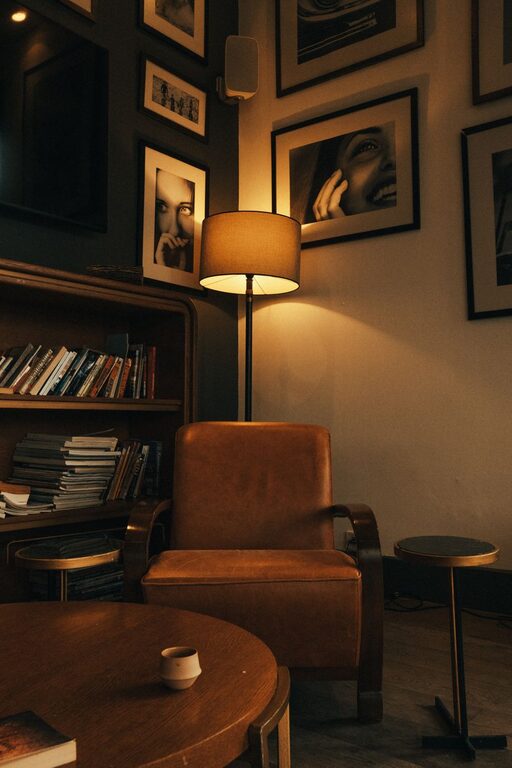
A cozy reading corner gives you a dedicated place to slow down, enjoy a good book, and take a break from daily routines. It does not need to take up an entire room or require an expensive makeover. With thoughtful choices, even a small corner near a window, beside a bookcase, or at the end of a bedroom can become a comfortable retreat.
The key is to combine comfort, good lighting, practical storage, and a few personal details. Whether you prefer novels, magazines, audiobooks, or quiet journaling, these ideas can help you create a reading space that feels inviting and easy to use.
Choose the Right Location
Start by looking around your home for a spot that feels calm and comfortable. An unused corner of a living room, bedroom, home office, or hallway may work well. The best location depends on your habits and the layout of your space.
Consider the following:
– Natural light during the time you usually read
– Distance from televisions, busy walkways, and other distractions
– Access to a power outlet for a lamp or device
– Enough room for a chair, small table, and footrest
– A nearby shelf or cabinet for books and supplies
A window seat can be especially appealing because it provides natural light and a view. However, avoid placing your chair where direct sunlight creates glare on the pages or makes the space uncomfortably warm. If you choose a corner in a shared room, position it slightly away from the main activity so it feels like a separate zone.
Select Comfortable Seating
Comfortable seating is the foundation of a successful reading corner. Choose a chair that supports your back and allows you to sit in a relaxed position. A large armchair, compact lounge chair, upholstered bench, or cushioned window seat can all work well.
When testing a chair, think about how you will use it. Your feet should rest comfortably on the floor or on a footrest, and the seat should be deep enough without making it difficult to sit upright. Armrests can provide extra support, while a high back may make longer reading sessions more comfortable.
For a small space, consider:
– A compact accent chair
– A padded dining chair with a soft cushion
– A built-in bench with removable cushions
– A floor cushion paired with a low table
– A small rocking chair
Add a throw blanket or a supportive cushion to make the seat more inviting. Choose washable fabrics if the reading corner is in a busy family area or if you often enjoy snacks and drinks while reading.
Plan the Lighting
Good lighting helps make reading easier and makes the corner feel warm after sunset. Whenever possible, combine natural light with a focused lamp.
A floor lamp beside the chair is a practical choice because it provides light without taking up table space. An adjustable reading lamp allows you to direct light toward the page. A table lamp works well when you have a side table nearby, while a wall-mounted sconce can save space in a smaller corner.
Keep these lighting tips in mind:
– Place the light slightly behind or beside your reading shoulder
– Use a shade that softens the glow without blocking useful light
– Choose a bulb with a comfortable, warm appearance
– Avoid strong glare on screens or book pages
– Add a dimmer when possible for flexible brightness
Layered lighting can make the corner useful throughout the day. Natural light may be enough in the morning, while a reading lamp can provide focused illumination at night. A small decorative lamp or nearby ambient light can also make the area feel more welcoming.
Add a Small Side Table
A side table keeps essentials close without making the space feel crowded. Look for a table that is roughly level with the chair arm or seat. It should be large enough for a book, reading glasses, a drink, and a small lamp if needed.
If you have limited space, try one of these alternatives:
– A narrow nesting table
– A floating wall shelf
– A small stool
– A slim C-shaped table
– A storage ottoman with a flat top
A table with a drawer or lower shelf provides useful storage for bookmarks, notebooks, chargers, and other small items. Keep the surface simple so it remains easy to use. A small tray can help organize everyday items and make the corner look neat.
Create Practical Book Storage
Books should be easy to reach, but storage does not have to dominate the room. Choose a solution that matches the size of your collection and the style of your home.
A tall bookcase makes good use of vertical space. Low shelves can double as display surfaces, while cube storage offers flexibility for books, baskets, and decorative objects. If you only need space for a few current reads, a narrow wall shelf may be enough.
Organize books in a way that suits you. You might arrange them by:
– Author
– Subject
– Size
– Color
– Books you plan to read next
Avoid filling every shelf completely. Leaving a little open space makes the area feel less crowded and gives you room to add new books. A basket beside the chair can hold magazines, blankets, or books that are currently in use.
Use Soft Textures and Warm Colors
Soft textures help transform a functional spot into a relaxing retreat. Add a cushion, throw, small rug, or fabric window covering to make the corner feel comfortable and visually connected to the rest of the room.
A rug can define the reading area, especially in an open-plan space. Choose a size that fits under the front legs of the chair and table, or use a smaller rug directly beneath the chair. This creates a clear boundary without requiring walls or large furniture.
Warm neutrals, gentle greens, muted blues, and earthy shades can create a calm atmosphere. You do not need to repaint the room. Instead, introduce color through textiles, artwork, book covers, or small accessories.
Include Personal Details
The best reading corners reflect the person who uses them. Add a few meaningful details rather than filling the area with decorations.
Consider including:
– A favorite print or framed photograph
– A small plant
– A handmade blanket
– A ceramic cup or decorative bowl
– A notebook and pen
– A bookmark collection
– A small clock
Plants can add freshness and softness, but choose varieties that suit the available light and your care routine. If the corner receives little natural light, a durable low-light plant or a high-quality artificial plant may be a better fit.
Personal items should support the purpose of the space. Keep decorations limited enough that the chair, table, and books remain easy to use.
Keep the Space Organized
A reading corner is more inviting when it is ready whenever you are. Create simple habits to prevent clutter from building up. Return books to their shelf, fold blankets after use, and keep unnecessary items off the side table.
A few practical ideas can help:
– Use a basket for unfinished books
– Keep a small container for bookmarks and pens
– Add cable management for lamps or chargers
– Choose washable covers for cushions
– Dust shelves and lamps regularly
– Leave space for your current book
If the corner is shared with another activity, use a small tray or basket to gather reading materials when the area needs to be cleared. This makes it easier to maintain the space without losing your favorite items.
Make It Work for Your Routine
A reading corner should fit naturally into your daily life. Place a book you want to finish on the table, keep a comfortable blanket nearby, and make sure the lighting works at the time you usually read. If you enjoy morning reading, prioritize natural light. If you read in the evening, focus on a supportive lamp and comfortable textures.
You can also adapt the corner for different activities. It might serve as a place for journaling, listening to music, practicing a quiet hobby, or enjoying a cup of tea. The goal is to create a space that encourages you to pause and spend time in a way that feels restorative.
Final Thoughts
Creating a cozy reading corner does not require a large budget or a dedicated room. Begin with a comfortable seat, add reliable lighting, and make sure your favorite books are within easy reach. Then bring in soft textures, useful storage, and a few personal touches.
By designing the space around your own habits, you can turn an overlooked area of your home into a welcoming retreat—one that makes it easier to read, relax, and enjoy a little quiet time every day.