

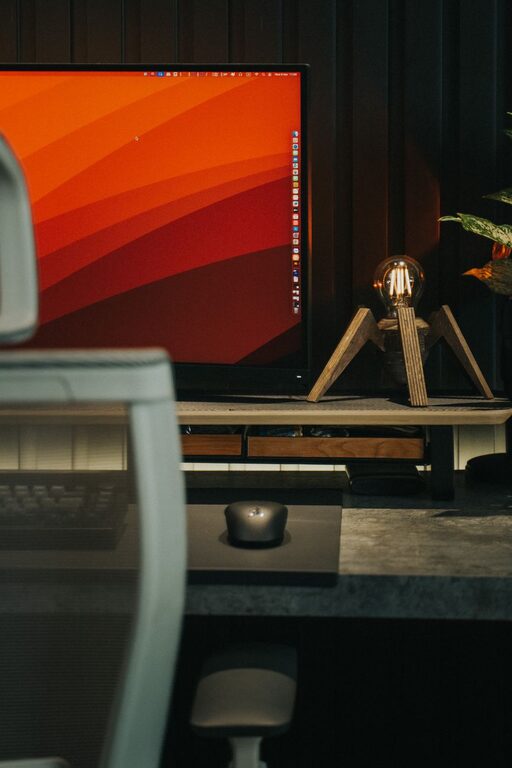
Working from home offers flexibility, comfort, and more control over your daily routine. However, it can also make it harder to stay focused. Household chores, family activity, phone notifications, and the temptation to check social media can quickly interrupt your workday.
The good news is that better focus does not require a perfect home office or a complicated system. A few practical changes can help you create a work environment that supports concentration and makes your day feel more manageable.
1. Create a dedicated work area
If possible, choose one area of your home for work. This does not have to be a separate office. A corner of a room, a dining table, or a small desk can work well as long as it is used consistently.
A dedicated work area helps create a clear mental separation between work and personal time. When you sit down in that space, your mind is more likely to recognize that it is time to concentrate.
Try to keep your work area:
– Clean and free of unnecessary items
– Comfortable enough for long periods of work
– Well lit, preferably with natural light
– Equipped with the supplies you use most often
– Separate from areas associated with rest, such as your bed
At the end of the day, put away work materials when you can. This simple habit helps signal that the workday is over.
2. Start with a simple daily plan
A long to-do list can feel overwhelming and make it difficult to decide where to begin. Instead, create a short plan with a few realistic priorities.
At the start of each day, identify:
– One important task that needs your best attention
– Two or three smaller tasks
– Any meetings or deadlines
– A reasonable stopping time
Choose your most important task based on your goals, not just on what is easiest. Completing a meaningful task early can create momentum for the rest of the day.
Keep your plan visible, either on paper, in a notes app, or in a calendar. When your priorities are clear, you are less likely to spend time deciding what to do next.
Avoid overplanning
Your schedule should guide you, not make you feel trapped. Leave some open time for unexpected requests, breaks, and tasks that take longer than expected. A flexible plan is easier to follow than a schedule filled with activities from morning to evening.
3. Work in focused time blocks
Instead of trying to concentrate for several hours without stopping, divide your workday into focused blocks. For example, you might work for 30 to 60 minutes, followed by a short break.
During each block, focus on one type of task. You could use one block for writing, another for email, and another for planning. Grouping similar activities reduces the time and attention lost when switching between unrelated tasks.
A simple approach is:
- Choose one task.
- Set a timer for a manageable period.
- Work until the timer ends or the task is complete.
- Take a short break.
- Decide what to focus on next.
Experiment with different time periods to find what works best for you. The goal is to create a rhythm that supports steady progress.
4. Reduce digital distractions
Digital interruptions are among the most common barriers to focus. Email alerts, messages, news updates, and social media can break your concentration even when you only check them briefly.
To reduce distractions:
– Turn off nonessential notifications
– Keep your phone out of reach during focused work
– Close browser tabs that are unrelated to your current task
– Use a separate browser profile for work if helpful
– Check email at planned times instead of constantly
– Place distracting apps in a folder or remove them from your main screen
You do not need to avoid technology completely. The goal is to use it intentionally rather than allowing every alert to decide what receives your attention.
5. Set clear boundaries at home
People you live with may not always realize when you are unavailable. A clear routine can make it easier for everyone to understand when you need uninterrupted time.
Consider using a simple signal, such as:
– Closing the door
– Wearing headphones
– Placing a note on your desk
– Sharing your meeting schedule
– Using a visible status message
Explain when you are available and when you should not be interrupted unless something is urgent. If you care for children or manage household responsibilities, you may need a more flexible plan. Even short periods of uninterrupted work can be useful when they are scheduled carefully.
6. Take regular breaks
Breaks are not a waste of time. They give your mind a chance to reset and can help you return to your work with more energy.
During a break, try to step away from your screen. You might:
– Stretch or walk around
– Get a glass of water
– Look outside
– Prepare a snack
– Do a brief breathing exercise
– Tidy your work area
Avoid filling every break with social media or other highly distracting activities. A short break should help you feel refreshed, not make it harder to return to work.
7. Use a consistent start and end routine
Without a commute, it can be difficult to shift into work mode. A short morning routine can help create that transition.
Your routine might include:
– Getting dressed in comfortable work clothes
– Preparing coffee or tea
– Reviewing your priorities
– Taking a brief walk
– Reading your calendar before opening email
An end-of-day routine is just as important. Review what you completed, note any unfinished tasks, and write down the first step for tomorrow. Then close your work applications and leave your work area if possible.
This routine reduces the need to keep thinking about work after hours.
8. Make your workspace comfortable
Physical discomfort can quietly reduce your ability to concentrate. Check whether your chair, desk, screen, and lighting are suitable for your work.
Your screen should be positioned so you can view it without constantly bending your neck. Keep frequently used items within easy reach, and adjust the lighting to reduce glare. If you work from a laptop for long periods, an external keyboard or monitor may make your setup more comfortable.
Small improvements can make a noticeable difference. A tidy desk, a supportive chair, and a comfortable room temperature can help you stay focused for longer.
9. Match tasks to your energy
Not everyone has the same focus pattern. Some people do their best thinking in the morning, while others become more productive later in the day.
Pay attention to when you feel most alert. Schedule demanding tasks during those periods and save routine activities for times when your energy is lower. For example, you might use your most focused hours for writing or problem-solving, then handle email and administrative tasks later.
Understanding your energy patterns can help you work with your natural rhythm instead of constantly fighting it.
10. Review what works
Improving focus is an ongoing process. At the end of each week, take a few minutes to consider what helped and what caused problems.
Ask yourself:
– When was I most focused?
– What distractions appeared most often?
– Which tasks took longer than expected?
– Did my breaks help me recharge?
– What is one change I can try next week?
Avoid trying to change everything at once. Choose one or two adjustments, test them for several days, and keep the strategies that make your workday easier.
Build a routine that supports you
Better focus while working from home comes from creating conditions that make concentration easier. A dedicated workspace, a short daily plan, focused time blocks, and regular breaks can provide a strong foundation.
You do not need to follow a strict routine every day. The most effective approach is one that fits your responsibilities, energy, and home environment. Start with a few small changes, observe the results, and gradually build a workday that helps you stay focused and finish with less stress.