

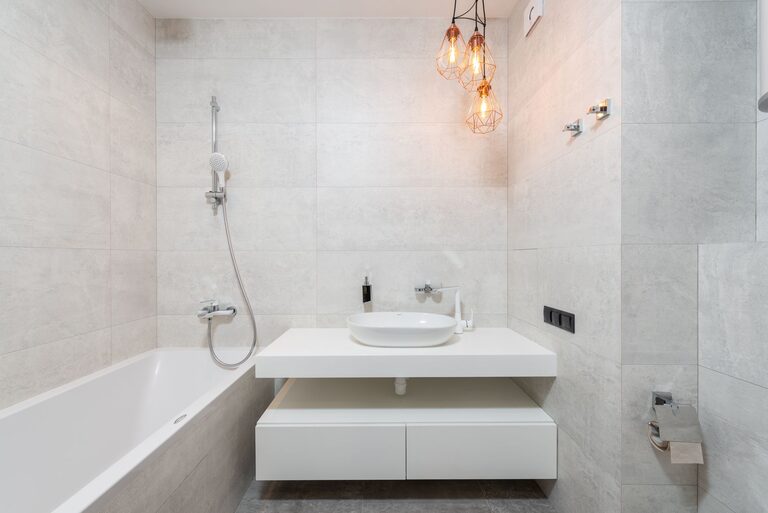
A minimalist bathroom is more than a room with fewer items. It is a space designed around simplicity, function, and comfort. By reducing clutter and choosing useful, well-matched pieces, you can create a bathroom that feels calm, clean, and easy to maintain.
Minimalism does not mean your bathroom must look empty or cold. The goal is to keep what you use, remove what you do not need, and create a thoughtful setup where every item has a place.
Start With a Clear Plan
Before buying new accessories or storage, take a close look at your current bathroom. Notice what feels crowded, what is difficult to clean, and which items are used most often.
Create three groups:
- Daily essentials: Items such as soap, toothbrushes, towels, and basic grooming products.
- Occasional items: Products used weekly or seasonally, such as special treatments, extra toiletries, or cleaning supplies.
- Unused items: Expired products, duplicates, and items you have not used in several months.
Remove anything that is empty, expired, damaged, or no longer useful. If you find several versions of the same product, keep the one you use most often. This first step creates space without requiring a major renovation.
Choose a Simple Color Palette
A limited color palette can make a bathroom feel more spacious and organized. Soft white, warm beige, pale gray, light wood, and muted green are popular choices for a relaxed look.
You do not need to use only one color. Instead, choose two or three main tones and repeat them throughout the room. For example, white walls, light wood accents, and black or brushed metal fixtures can create a balanced appearance.
Consider these elements when selecting colors:
- Wall paint or tile
- Shower curtain or glass enclosure
- Towels and bath mats
- Storage containers
- Hardware and fixtures
Neutral colors are easy to update and help prevent the room from feeling visually busy. If you want more personality, add color through one or two small details, such as a plant, artwork, or hand towel.
Keep Only the Essentials on Display
Open surfaces can quickly become cluttered. A minimalist bathroom usually has a clear countertop, an uncluttered sink area, and only a few items left out.
Keep your everyday products within easy reach, but avoid displaying every item you own. A simple arrangement might include:
- A soap dispenser
- A toothbrush holder
- A small tray for daily skincare products
- A single decorative item, such as a small plant
A tray can help group small items and make the counter look more intentional. It also makes cleaning easier because several products can be lifted at once.
If you share the bathroom with others, assign each person a specific area or container. This prevents personal items from spreading across the entire counter.
Use Storage That Fits the Space
Good storage is one of the most important parts of a minimalist bathroom. The best solutions use available space without making the room feel crowded.
Make Use of Vertical Space
Wall-mounted shelves, narrow cabinets, and hooks can provide storage without taking up valuable floor space. Install a shelf above the toilet or use a slim unit beside the vanity for towels and toiletries.
Hooks are especially useful for robes, washcloths, and hand towels. Choose a consistent style so the storage looks like part of the overall design.
Organize Drawers and Cabinets
Bathroom drawers often become crowded with small items. Use simple dividers or small containers to separate categories such as hair accessories, grooming tools, and personal care products.
Group similar items together and place frequently used products near the front. Store occasional items higher up or farther back.
Clear containers can be helpful when you want to see what you have, while solid containers create a cleaner visual appearance. Choose one approach and use it consistently.
Use Hidden Storage for Backups
Extra toilet paper, cleaning supplies, and unopened toiletries do not need to remain visible. Store these items in a cabinet, basket, or lidded container.
Avoid buying more backup products than you can comfortably store. A minimalist setup works best when storage space is planned around realistic needs.
Select Functional Fixtures and Accessories
When choosing bathroom accessories, focus on function, durability, and ease of cleaning. A smaller number of well-chosen items is usually more useful than many decorative pieces.
Look for accessories with simple shapes and smooth surfaces. These are often easier to wipe down and less likely to collect dust or residue.
Useful items may include:
- A wall-mounted or compact toilet paper holder
- A sturdy bath mat that dries quickly
- A soap dispenser with a wide opening for easy refills
- A covered wastebasket
- A shower caddy that keeps products off the floor
- A matching set of towel hooks or bars
Choose finishes that work together. For example, brushed metal, matte black, or polished chrome can each create a different look. Mixing too many finishes may make a small bathroom feel less coordinated.
Improve Lighting and Mirrors
Good lighting can make a minimalist bathroom feel brighter and more comfortable. If possible, make the most of natural light by keeping windows clear and using a simple, light-colored window covering.
For artificial lighting, aim for even illumination around the sink and mirror. A ceiling fixture can provide general light, while wall lights or a mirror with built-in lighting can reduce shadows around the face.
A large mirror can make a small bathroom appear more open. Choose a simple frame or a frameless design to maintain a clean appearance. Keep the mirror free of unnecessary decorations around its edges.
Bring in Natural Details Carefully
Natural materials can add warmth to a minimalist bathroom. Wood-look accessories, woven baskets, cotton towels, and stone-colored surfaces can soften a room filled with hard tile and metal.
A small plant may also work well if the bathroom has suitable light and ventilation. Choose a low-maintenance variety and place it where it will not interfere with daily use.
Use natural details sparingly. One basket, a wood stool, or a plant may be enough to make the space feel welcoming without adding visual clutter.
Create a Simple Cleaning Routine
A minimalist bathroom is easier to maintain when every item has a regular place. Spend a few minutes each day returning products to storage and wiping the sink area.
A weekly routine can include:
- Cleaning the sink, toilet, and shower surfaces
- Washing bath mats and towels as needed
- Checking drawers for empty or expired products
- Wiping shelves, containers, and fixtures
- Removing items that do not belong in the bathroom
Keep basic cleaning supplies together in one easy-to-reach location. When supplies are organized, routine cleaning becomes faster and less frustrating.
Finish With Personal Details
Minimalism should still reflect your style. Add a few personal touches that make the space feel comfortable, such as a framed print, a favorite towel color, or a small container made from a material you enjoy.
The key is to choose details intentionally. Instead of filling empty areas, ask whether each item adds beauty, comfort, or function.
A successful minimalist bathroom is not defined by a specific style or budget. It is a practical space where useful items are easy to find, surfaces are simple to clean, and the overall design feels calm. Start by removing what you do not need, then add storage and accessories that support your daily routine.